No products in the cart.

Luxury Is Nice. Ownership Is Better: How Modern Women Build Wealth
Financial literacy for women, wealth building strategies, investing for beginners, financial independence, and understanding the assets that create long-term wealth
There was a time when conversations about wealth were largely confined to private banks, boardrooms, and family offices. Luxury, meanwhile, occupied a different sphere entirely. One was concerned with balance sheets and capital allocation, the other with aspiration, aesthetics, and lifestyle.
Today, those worlds are increasingly colliding.
The modern woman is just as likely to be discussing investment portfolios as she is skincare, business strategy as she is fashion, and wealth creation as she is wellness. Yet despite this cultural shift, many women still feel that investing and asset ownership belong to a world that is inaccessible, overly complex, or designed for someone else.
That perception is becoming increasingly costly.
The economic landscape of the twenty-first century looks markedly different from that of previous generations. Inflation has eroded purchasing power. Housing affordability remains a challenge in many major cities. Artificial intelligence is reshaping industries at unprecedented speed. People are living longer, meaning retirement may need to be funded for decades rather than years. At the same time, women are expected to navigate careers, family responsibilities, entrepreneurship, and increasingly complex financial decisions.
Against this backdrop, understanding assets is no longer merely an advantage.
It is becoming a necessity.
The distinction between income and wealth is one of the most important concepts in personal finance. Income allows people to fund their current lifestyle. Wealth, by contrast, is often built through ownership. The most financially resilient individuals tend to accumulate assets that have the potential to appreciate, generate income, preserve purchasing power, or create future opportunities.
This does not mean abandoning luxury or living a life devoid of enjoyment. Quite the opposite. The purpose of wealth is not accumulation for its own sake. It is to create freedom, flexibility, and choice.
The challenge is recognising the difference between spending and ownership.
Why Women Are Entering a New Era of Wealth
For decades, financial marketing largely overlooked women as investors. Women were frequently positioned as consumers rather than capital allocators, despite often being responsible for significant household financial decisions.
That narrative is changing rapidly.
Female entrepreneurship continues to rise globally. Women are launching businesses, entering investment management, leading public companies, and controlling increasing amounts of capital. At the same time, demographic trends suggest that women will inherit substantial wealth over the coming decades as part of one of the largest intergenerational wealth transfers in history.
Women also face unique financial realities.
On average, women tend to live longer than men, meaning retirement savings often need to last longer. Career breaks associated with caregiving responsibilities can reduce lifetime earnings and pension contributions. The gender pay gap, while narrowing, continues to affect wealth accumulation across many sectors.
Understanding assets is therefore not simply about becoming wealthier.
It is about building financial resilience in a world that continues to evolve.
The Difference Between Consumption and Ownership
Luxury itself is not the problem.
A beautifully designed home, a memorable holiday, a tailored wardrobe, or an investment in wellbeing can enrich life enormously. The issue arises when consumption becomes the entire financial strategy.
One of the most useful questions an individual can ask before making a significant purchase is whether the expenditure is likely to depreciate, retain value, appreciate, generate income, or create future opportunities.
The answer is not always straightforward.
A luxury handbag purchased impulsively may simply be consumption. A carefully selected heritage piece with strong secondary market demand may retain a significant proportion of its value. A professional qualification may not appear on a balance sheet, yet could dramatically increase future earnings.
The most financially sophisticated individuals rarely view spending and investing as mutually exclusive concepts. Instead, they understand that different purchases serve different purposes and seek balance between enjoyment today and security tomorrow.
Shares: Participating in Economic Growth
Most people interact with publicly traded companies dozens of times each day without giving ownership a second thought.
Whether purchasing coffee, booking travel, using software, streaming content, or buying luxury goods, consumers engage constantly with businesses that are creating value for shareholders.
Public markets provide an opportunity to participate in that value creation.
When an investor purchases shares, they acquire a small ownership stake in a business. If that business grows revenues, expands profits, develops innovative products, or captures additional market share, shareholders may benefit through rising valuations and, in some cases, dividend payments.
Historically, equities have been among the most effective long-term wealth-building asset classes available. While past performance never guarantees future outcomes, ownership of productive businesses has generally outpaced inflation over extended periods.
The rewards, however, are accompanied by risk.
Markets can be volatile. Economic downturns occur. Geopolitical events create uncertainty. Valuations rise and fall, sometimes dramatically.
One of the greatest challenges facing investors is not identifying opportunities but managing emotions. Fear often encourages investors to sell when markets fall, while optimism encourages them to buy when prices are elevated.
Successful investing frequently requires patience, discipline, and a long-term perspective.
Property: The Tangible Asset
Property occupies a unique place within wealth creation because it is both financial and deeply personal.
Unlike shares, property is tangible. It can be occupied, renovated, rented, improved, financed, and passed between generations.
For many people, property represents their largest single asset.
Historically, property has offered two potential sources of return. The first is rental income generated by tenants. The second is capital appreciation as property values increase over time.
Property has also traditionally been viewed as a hedge against inflation. As construction costs rise and land remains finite in desirable locations, property values often increase over the long term, although this is never guaranteed.
Yet property investing is far from risk-free.
Interest rates influence affordability. Maintenance costs can be significant. Regulatory changes affect profitability. Liquidity is limited compared with publicly traded investments, meaning property cannot always be sold quickly when capital is required.
The most successful property investors typically approach real estate with a long-term mindset rather than seeking rapid gains.
Bonds: Stability in an Uncertain World
While shares often dominate financial headlines, bonds continue to play an important role in many sophisticated portfolios.
A bond is essentially a loan. Investors lend money to governments or corporations and receive interest payments in return.
The primary attraction of bonds is not spectacular growth but relative stability.
When markets become volatile, bonds can help reduce overall portfolio risk and provide predictable income streams. This is one reason many institutional investors, pension funds, and family offices allocate capital across both equities and fixed-income securities.
The trade-off is that lower volatility often means lower long-term returns compared with shares. For many investors, bonds are less about maximising wealth and more about preserving it.
Business Ownership: Creating Value Directly
Few asset classes have created more wealth than successful businesses.
Entrepreneurship differs from traditional investing because owners have the ability to influence outcomes directly. Strategic decisions, operational improvements, marketing initiatives, product innovation, and leadership all contribute to value creation.
The rewards can be extraordinary. Businesses can generate income, build equity, attract investment, and eventually be sold.
However, entrepreneurship also involves concentration risk. Unlike a diversified investment portfolio, founders often have a significant proportion of their personal wealth tied to a single venture.
Cash flow challenges, economic downturns, competition, and execution risk all contribute to the reality that business ownership remains one of the highest-risk and highest-reward asset classes available.
For many women, entrepreneurship represents an increasingly powerful route to financial independence.
Intellectual Property: The Asset Class Defining the Digital Economy
Some of the world’s most valuable assets are no longer physical. They reside within the interwebs, digital economy, personal branding and copyright. Such as:
- A software platform.
- A media brand.
- A trademark.
- A book.
- A patent.
- An online audience.
A proprietary methodology.
Intellectual property has become increasingly important because it allows expertise, creativity, and innovation to scale beyond time and geography.
Unlike traditional employment, where income is closely linked to hours worked, intellectual property can generate revenue repeatedly from work completed once.
For creators, consultants, founders, educators, and media entrepreneurs, intellectual property often becomes one of the most valuable assets they own.
Luxury Assets: Can Fashion Ever Be an investment?
This is perhaps where MODAFIRMA readers become most curious.
Can luxury purchases ever be considered investments?
The answer is nuanced.
Most fashion purchases should not be viewed as financial assets. Clothing, shoes, and accessories are generally forms of consumption. They provide enjoyment, self-expression, and utility rather than investment returns. However, certain luxury assets have demonstrated remarkable value retention over time.
Specific Hermès handbags, rare watches, exceptional jewellery, fine art, vintage automobiles, and collectible wines have all attracted investor attention in recent years.
The challenge is that these markets require expertise, patience, and a willingness to accept illiquidity. Buying a luxury item solely because it may appreciate is rarely a reliable investment strategy. Buying something you genuinely value that also happens to retain value may be a more sensible approach.
How Wealthy Families Think About Capital
One of the biggest misconceptions about wealth is that wealthy individuals constantly seek the highest possible returns. Many affluent families focus first on preservation.
- They think about diversification.
- They consider risk.
- They seek multiple sources of income.
- They evaluate liquidity.
- They understand that protecting capital can be just as important as growing it.
This is why sophisticated portfolios often contain a combination of shares, bonds, property, private businesses, and alternative assets rather than concentrating all capital in a single area, this diversifies the risk.
The objective is not perfection. It is longer term resilience.
The Most Important Asset of All
Amid discussions of portfolios, property, and investments, one asset is often overlooked. Human capital. This includes your skills, knowledge, reputation, network, ability to solve problems and most importantly, your health.
These factors influence earning power, career progression, entrepreneurial success, and investment opportunities. Unlike many financial assets, human capital can be strengthened continuously throughout life. In many cases, the return on investing in yourself may exceed the return from any individual financial investment.
Ownership Creates Optionality
Financial freedom is often portrayed as a number, a net worth targe or even a retirement goal. Ironically, the true value of wealth is rarely found in a spreadsheet and is most likely to be associated with your choices. Your choices to change careers, start a business, support a family and live according to your own priorities.
Conclusively, luxury can undoubtedly make life more enjoyable but without a doubt ownership creates something more enduring. It creates optionality and in an increasingly uncertain world, that may be the ultimate luxury.
The Founder Edit
Building wealth is not simply about what sits in an investment portfolio. It is also about how you present yourself in the rooms where opportunities are created.
Whether pitching investors, leading a team, negotiating a deal, or building a business, personal style often communicates confidence before a single word is spoken. The most successful women understand that clothing is not about impressing others. It is about creating alignment between how you feel and how you show up.
For this edition of The Founder Edit, we’ve curated a wardrobe designed for the modern woman building a life of substance. Think refined tailoring, versatile separates, and timeless accessories that work as hard as you do.
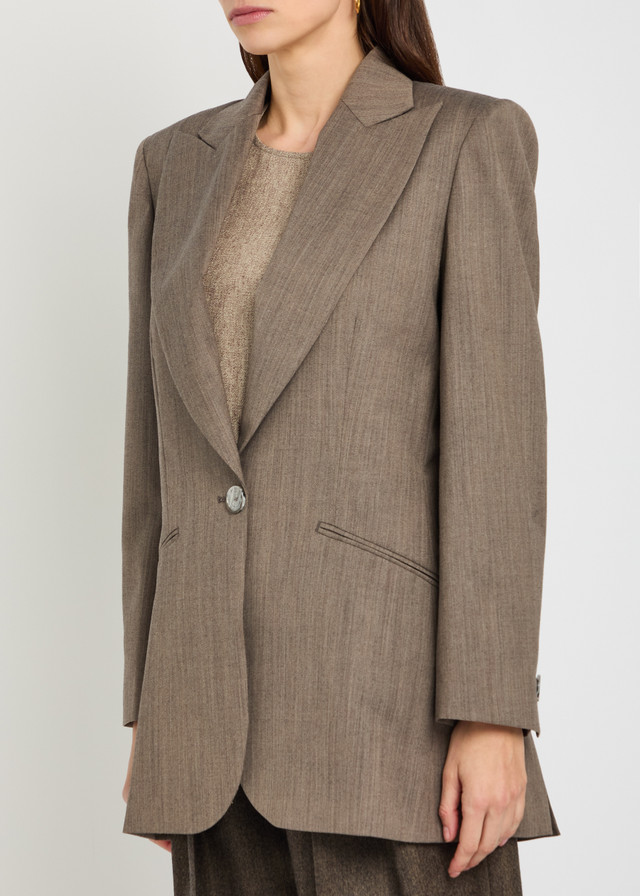
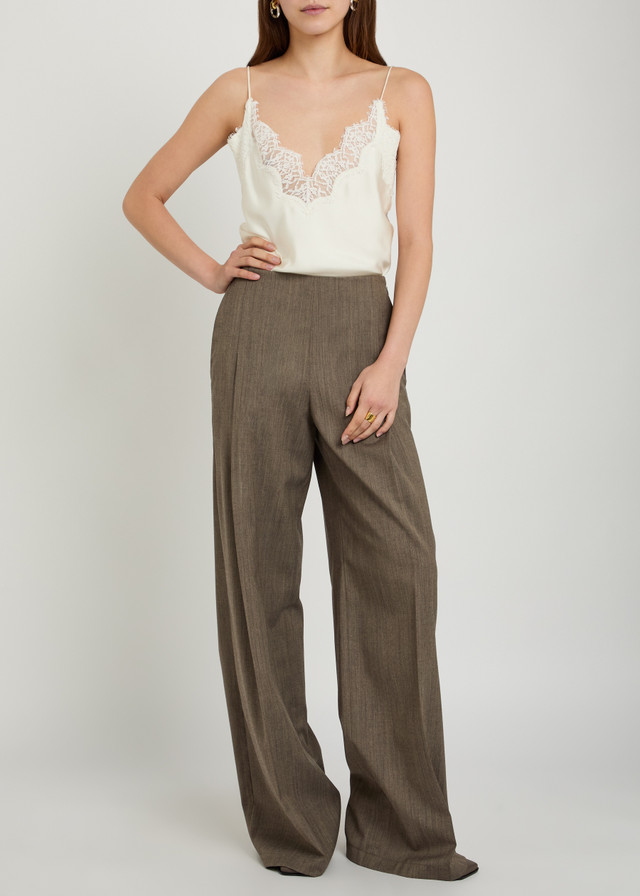
The foundation begins with impeccable tailoring. An Emporio Armani wool-blend blazer paired with matching wide-leg trousers creates a polished silhouette that transitions seamlessly from boardroom meetings to client lunches. In a sophisticated taupe tone, the set feels powerful without appearing corporate, striking the balance between authority and elegance.
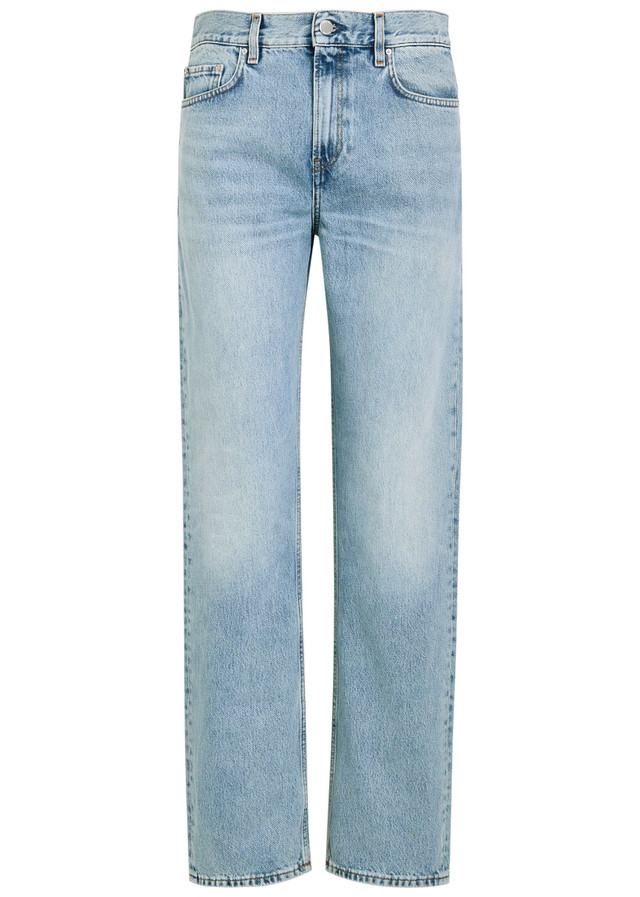
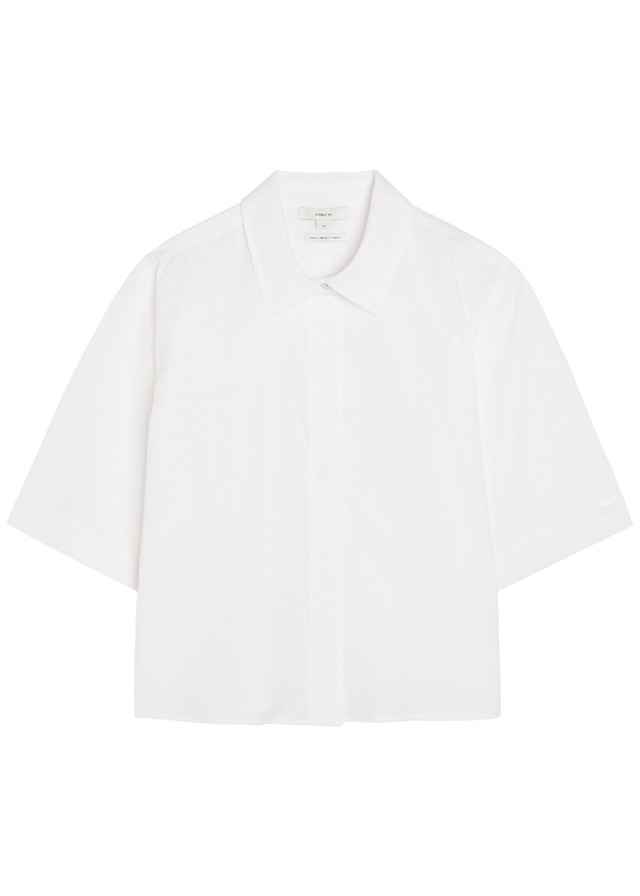
For days that call for understated confidence, a crisp cotton shirt remains one of the most versatile pieces a woman can own. Styled with TOTEME straight-leg jeans, it delivers a look that feels relaxed yet intentional, proving that sophistication does not require complication.
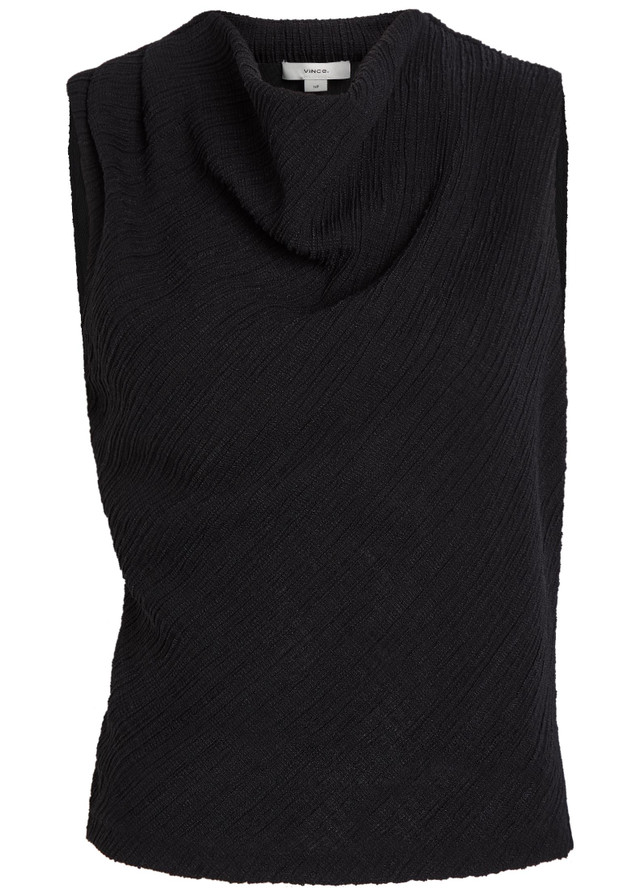
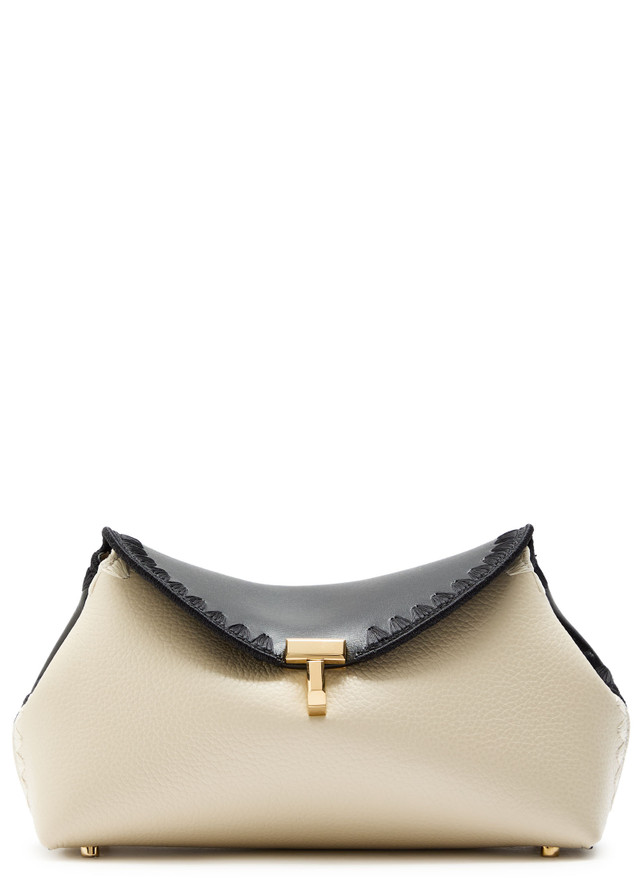
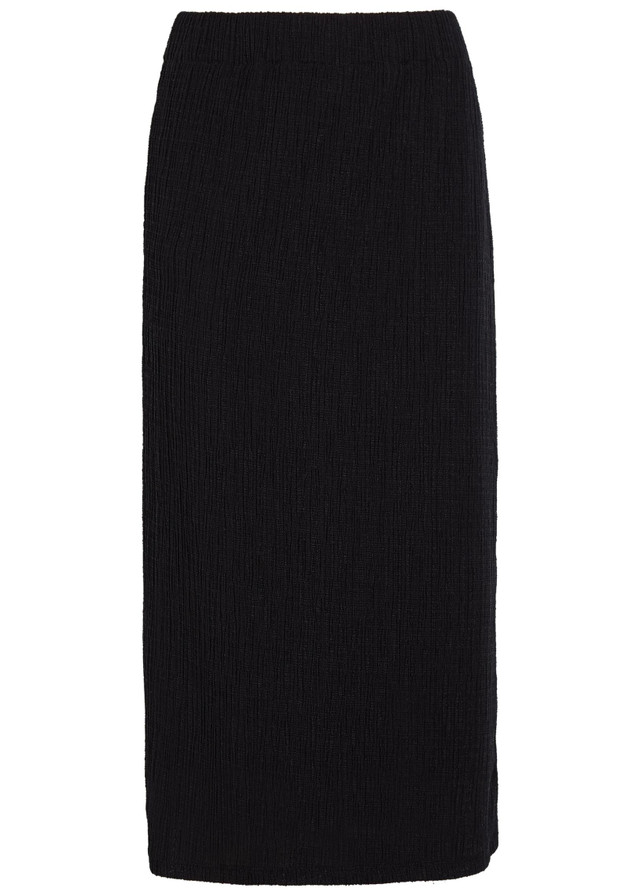
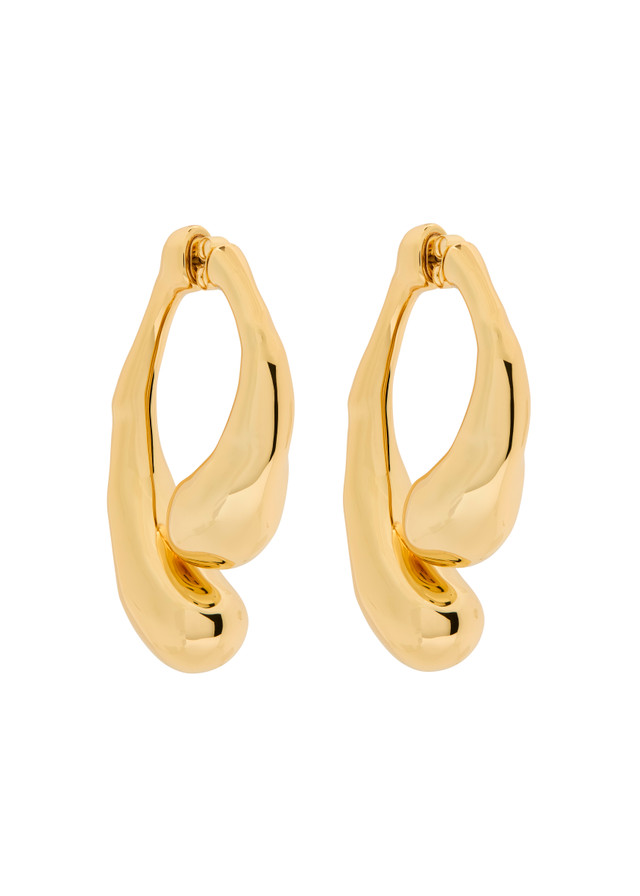
When evening events, networking dinners, or industry gatherings appear on the calendar, a monochromatic approach rarely fails. The Vince textured fine-knit top and coordinating midi skirt create a streamlined silhouette that feels modern, intelligent, and effortlessly refined. Finished with TOTEME’s T-Lock leather clutch and Alexis Bittar’s gold-plated drop earrings, the result is elegant without feeling overworked.
Shop The Founder Edit
No founder wardrobe is complete without a versatile pair of shoes. The Reiss brown suede heels offers an effortless solution for days when simplicity is required but style remains important. The best investment pieces are often the ones that remove decision fatigue, allowing attention to remain focused on the opportunities ahead rather than what to wear.
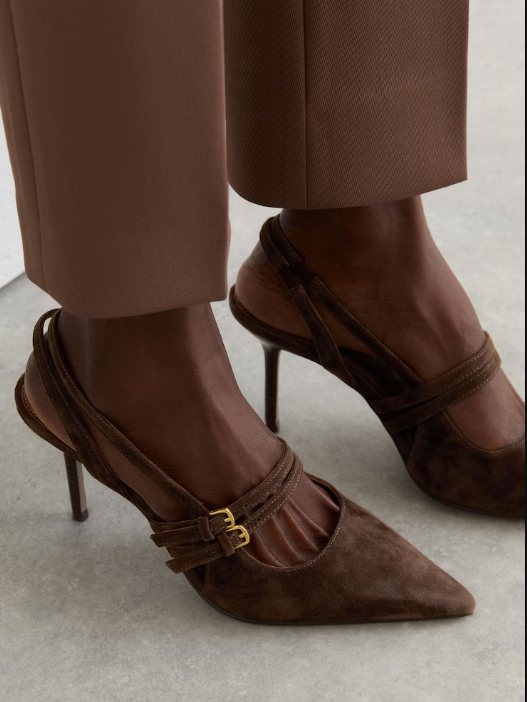
Like investing, great style rewards long-term thinking. Trends come and go, but beautifully made tailoring, quality fabrics, and timeless silhouettes continue to deliver value season after season. While wardrobes should never be confused with investment portfolios, choosing pieces that endure rather than chasing constant novelty reflects a similar philosophy.
Luxury may be enjoyable. Ownership may create wealth.
Further Reading
Female Invest:
https://www.femaleinvest.com/mission
Vanguard Investor Academy:
https://www.vanguardinvestor.co.uk/investing-explained/investing-for-beginners
Property Hub:
https://propertyhub.net/learn/
SEATONE.IO
https://seatone.io/blog/posts/how-investors-can-support-portfolio-companies-beyond-capital/
Disclaimer
This article is provided for informational and educational purposes only and does not constitute financial, investment, tax, legal, or professional advice. Investments can rise and fall in value, and past performance does not guarantee future results. Readers should conduct their own research and seek independent professional advice before making financial decisions.
Discover More From Modafirma
If this edit resonated, consider it your invitation to go a little deeper. At Modafirma, we explore the nuances of modern life through a considered lens, from career and ambition to fashion, wellness, identity, and the quiet shifts women experience as they evolve. Discover more of our latest edits covering lifestyle, style, wellbeing, and the conversations shaping how women live and work today. Thoughtful, informed, and always intentional, our features are designed to meet you exactly where you are.
Stay ahead of the trends and make sure your wardrobe is ready for the season with these key pieces for autumn fashion. Follow us on Instagram: @mfirma for more trend updates and style inspiration.
Don’t Forget to Check Out the Rest of Modaedit
DISCLAIMER: We work to always credit the correct original source of every image we use. If you think a credit may be incorrect, please contact us at
E: Modafirmateam@modafirma.com/
Author: Mirea Goncalves
Style. Wealth. Wellness. Modern Living.
For women creating lives of substance.